Logo of Hitchin Lavender

Main image of HitchinLavender.Com website


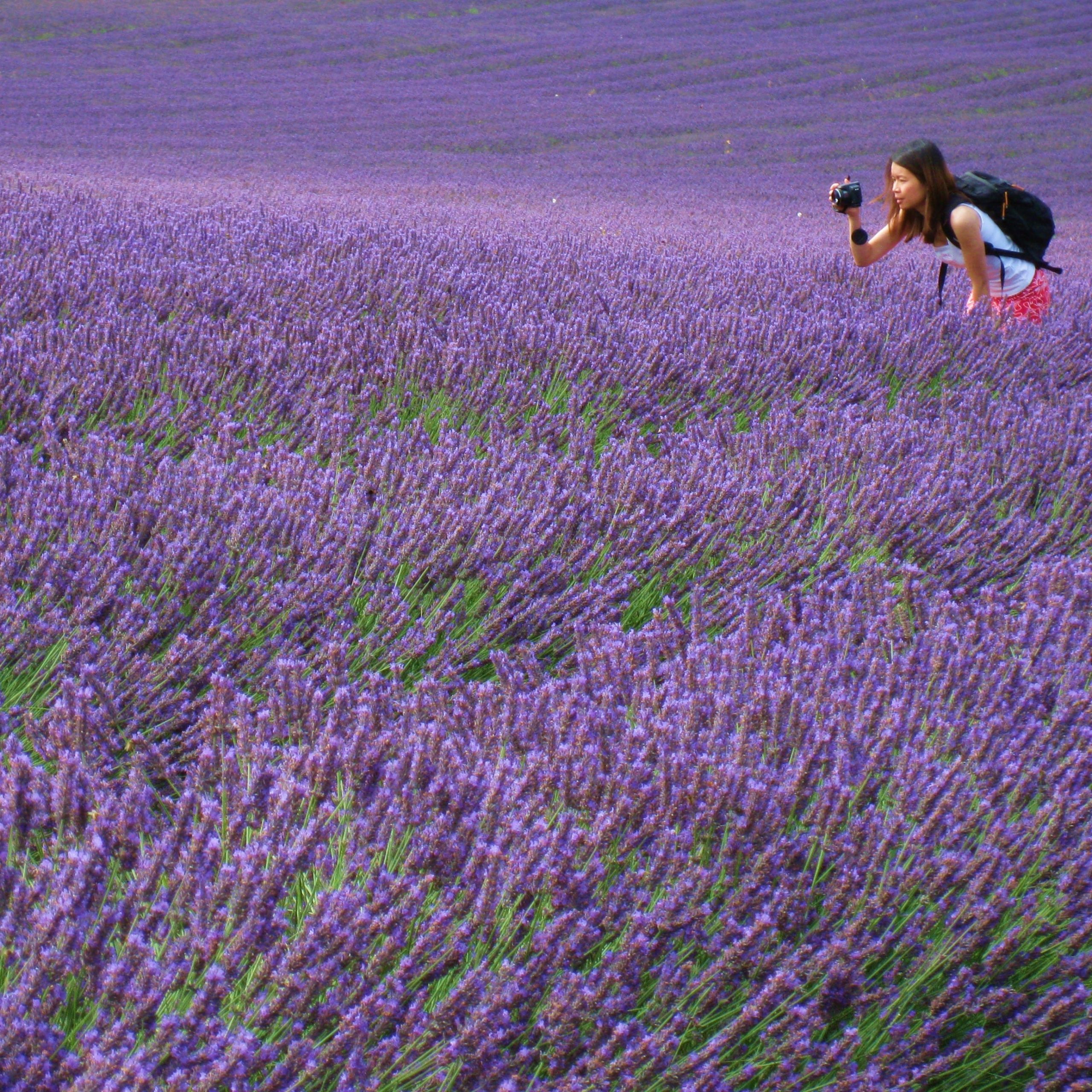
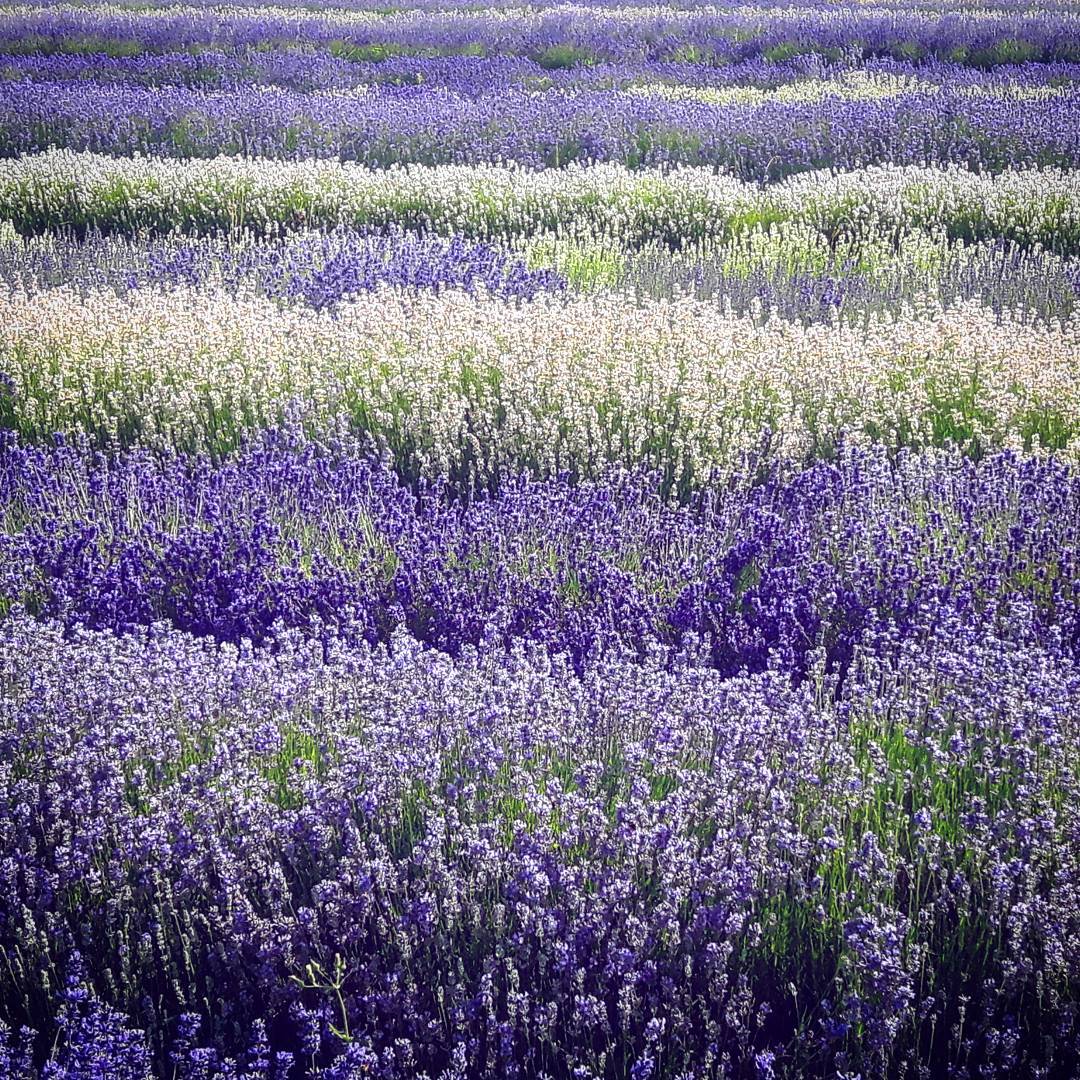
Tophill fieldCadwell Farm. Planting started in Home Field in the Autumn of 2000 and the Spring of 2001. Twelve acres are now planted with five varieties – Ashdown Forest, Folgate, Grosso, Lullington Castle and Maillette. The miles of lavender rows on the chalky hillside face west and can be viewed from the footpaths. 

Our lavender oil is produced by cutting the heads off and distilling them. This method was used by Mr. Perks in the nineteenth century in Hitchin. Cranfield University have specially designed a harvester for us which strips the flowers from the stems.

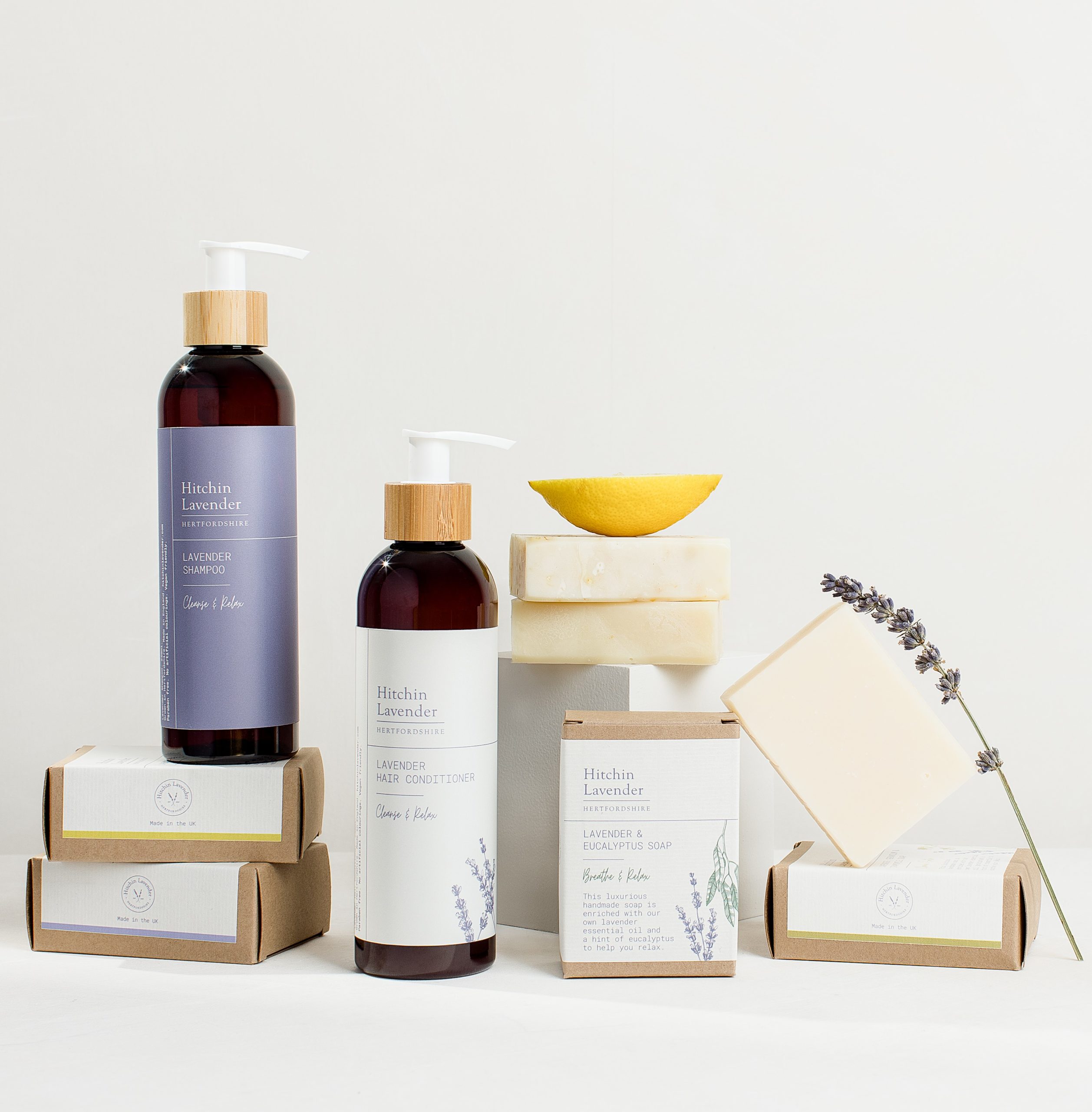
Arrangement of lavender productsFarm Products. Click on Products to view a selection of Hitchin Lavender products including handmade soap, body lotion, oils and dried lavender. 

Details of how to buy these products are also given in the Products page.


History. In the sixteenth century the small market town of Hitchin was one of only two major lavender growing areas in the country. At its height in the nineteenth century a hundred acres were grown around the town and it soon became renowned nationally. 

The work was incredibly labour intensive. Each lavender field could continually produce abundant crops for five years before they needed to be uprooted and burned, providing a fragrant and captivating aroma that blew across the whole town.

Front Harry Perks’ chemist shop This picture* shows Harry Perks’ chemist shop set up in 1860 through a collaboration with another successful lavender farmer, Charles Llewellyn. Mr. Perks started a thriving local business. The shop remained until 1961 and the interior was rebuilt in Hitchin Museum where it remains today.

* Image reproduced with kind permission of Hitchin Museum. Information from Hitchin museum and 'The Story of Lavender' by Sally Festing.


HitchinLavender.com, March 2007


 Hitchin Lavender

 Cadwell Farm,
 Ickleford, Hitchin,
 Herts. SG5 3UA

 Tel: 01462 434320